
West Side Park in Champaign: History and Walking Guide |
Public art, historic surroundings and practical checks for a short downtown visit |
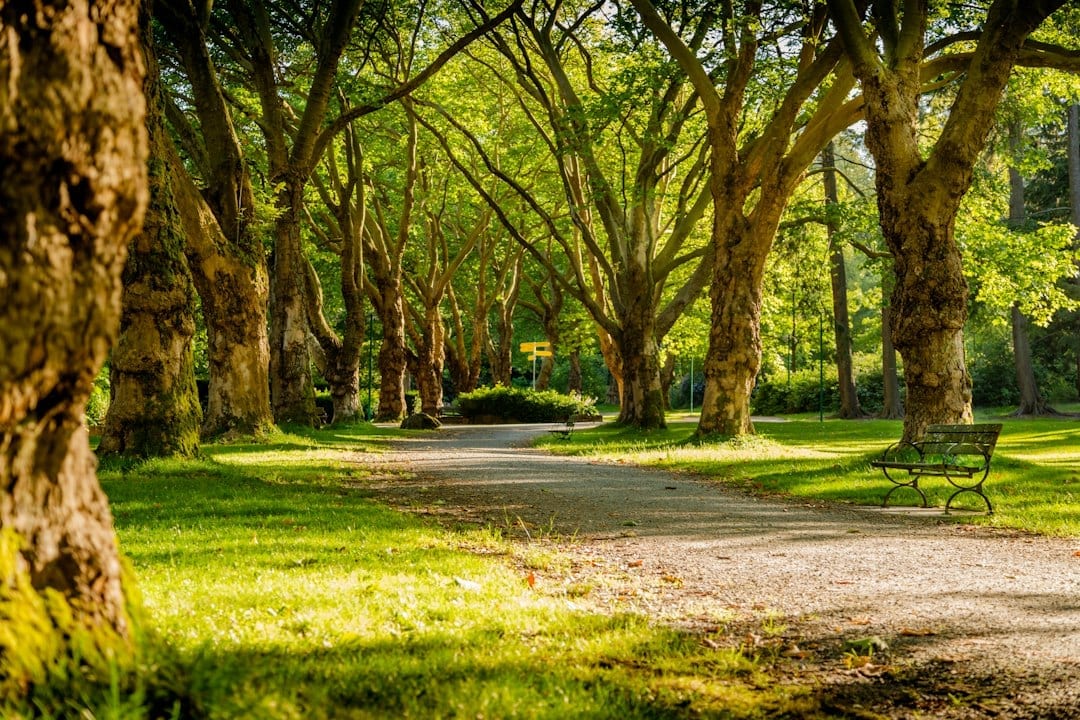
Photo by Mike Benna on Unsplash. Illustrative stock photo, not West Side Park or a Champaign location.
West Side Park gives a downtown Champaign walk a clear destination: an established public space where local history, public art and everyday recreation meet.
The short answer for a first visit is to use 400 West University Avenue as the starting address, check the posted park hours, and choose a manageable walk around the park and nearby public streets.
This guide was checked October 20, 2026, using Park District information and a University of Illinois-published architectural walking study.
It is a planning guide, not an account of a recent site inspection or a scheduled guided tour.
Know the park’s boundaries
The official West Side Park page places it between University Avenue, State Street, Church Street and Elm Street, with hours listed as 6 a.m. to 11 p.m.
Those are park boundaries, not a definition of a surrounding neighborhood.
For an October outing, decide whether you want a daylight visit and plan the return accordingly.
Use street names to orient yourself before choosing a particular entrance or meeting point.
A park address is a useful reference, but it does not identify the best approach for every visitor or establish that a nearby parking space is available.
Read the park as part of downtown history
The University of Illinois-published Champaign: Railroad Town walking study explains downtown through the relationship between the railroad, street grid and public institutions.
It follows Park Avenue west toward West Side Park and describes the park’s edges as historically shaped by substantial residences and churches.
The study identifies two surviving homes along Elm Street that were later adapted as funeral homes: the Ross Mattis House at 201 North Elm and the Trevett residence at 101 North Elm.
Read those as examples of changing building uses, not invitations to enter private property.
From a public sidewalk, compare how the buildings address the park through their setbacks, entrances and visible exterior details.
The useful question is how a public space connects to the institutions and buildings around it, rather than how many stops you can finish.
Give the public art its own time
The Park District dates its acquisition of the park to 1854 and identifies Prayer For Rain as a work by Edward Kemeys, first dedicated June 1, 1899.
Its account describes restoration and a rededication in June 1999.
The official listing also includes Double Dutch Jump for Joy by Gary Bibbs and the Lincoln Megalith by Truman Jefferson Strong.
Choose a few works to examine rather than treating every sculpture as a quick photograph.
Read any on-site labels and distinguish what they state from your own interpretation.
The history of a fountain does not guarantee that its water is running during a particular visit, especially when planning outside summer.
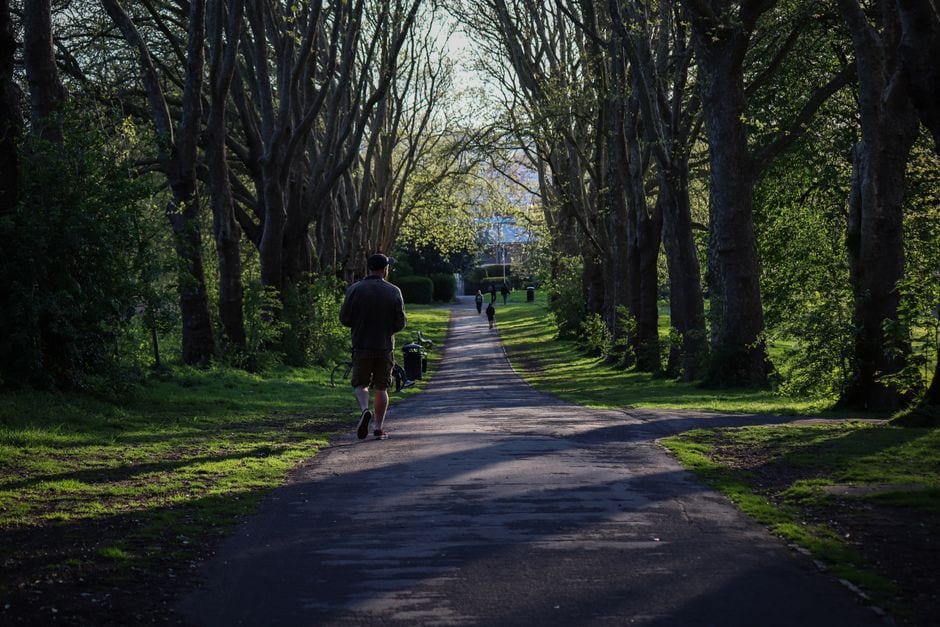
Photo by Boys in Bristol Photography on Pexels. Illustrative stock photo, not West Side Park or a Champaign location.
Use nearby cultural buildings as a separate stop
The Springer Cultural Center at 301 North Randolph Street offers another documented connection between an older public building and present-day community use.
The Park District says construction began as a post office in October 1904 and that the building entered the National Register of Historic Places in 1975.
It became Park District property in 1991 and was renamed the Springer Cultural Center in 1996.
Today its listed uses include cultural, recreational and educational programs, exhibits and performances.
Treat an indoor visit as a separate plan: check the current building hours, midday closure, program terms and any required registration.
Call 217-398-2376 if entering the building at a particular time is essential to your outing.
An outdoor walk past the address does not establish that a class, exhibit or room is open to drop-in visitors.
Check access for the route you intend to use
The Park District’s accessibility page identifies infrastructure and programming compliance contacts and provides access to its ADA resources.
Use that guidance to ask about the specific entrance, path, crossing or activity that matters to you.
Describe the whole proposed route, including a possible walk to another building, rather than asking only whether the park is accessible.
Confirm current surfaces, any temporary work and the distance your group can comfortably manage.
If you need an alternative format for district information, its accessibility page directs requests to the ADA compliance officer.
Do not assume that every public sidewalk or entrance offers an identical experience.
Follow the rules and separate special arrangements
The district’s park regulations allow leashed pets, require cleanup and prohibit alcohol in parks and facilities.
They direct drivers to designated parking areas and say parks close according to posted signs.
Check the signs where you arrive, including any parking restrictions on the streets around the park.
For an organized gathering or reserved use, consult the district’s rental information and confirm current terms directly.
No event admission or rental price was verified for this guide, and a casual walk should not be confused with a reservation for exclusive use.
Pack out what you bring and leave room for other visitors using paths, seating and play areas.
Choose a short visit with a clear purpose
For a first outing, pick one focus: the sculptures, the park’s relationship to the street grid, or the buildings along its edges.
Save the official location page and the architectural study before leaving, then keep the route flexible if weather or conditions require a shorter visit.
A useful local history walk does not need a promised duration or an invented route length.
Start with one part of West Side Park, use public paths and sidewalks, and leave another section for a later visit. |
0 Comments
Join the conversation
Be the first to comment
Share your thoughts above.