
Urbana Fall Leaf Collection 2026: Dates and Pickup Guide |
Three collection weeks begin November 2, with bagged leaves picked up on regular U-Cycle days and home reuse options to consider |
Urbana residents planning fall yard cleanup can now mark three leaf collection weeks for 2026: November 2–6, November 16–20, and November 30–December 4.
The short answer is to set bagged leaves at the street curb the night before your regular U-Cycle collection day during one of those weeks.
The City of Urbana’s September 27 announcement specifies bagged leaves only, so a loose pile is not the collection method described.
For Champaign-Urbana households, the important boundary is the city providing the service: these dates belong to Urbana, not a shared schedule for both cities.
This guide separates the announced pickup instructions from optional ways to reuse leaves at home.
Sources were checked on October 15, 2026, before the first scheduled collection week.
Which date applies to your Urbana address?
The city’s fall 2026 leaf collection notice gives three collection windows, rather than one pickup date for every household.
Match your regular U-Cycle day to each window instead of assuming the first Monday is your own collection day.
The curbside collection schedule page links to Urbana’s address lookup, which is the appropriate starting point if you are unsure of your route.
Write the matching dates on your calendar and add a reminder for the evening before.
If you recently moved, confirm the current address instead of relying on the routine from your previous home.
For a rental or a shared property, agree on who will prepare and set out the bags.
That small decision prevents a finished cleanup from sitting in the wrong place while everyone assumes someone else handled the final step.
Recheck the city notice near the collection week in case updated instructions have been posted.
Keep leaf pickup separate from weekly recycling
The announcement uses your U-Cycle day to identify when leaf bags will be collected.
It does not describe putting leaves inside a recycling cart or replacing normal recyclables with yard material.
Treat the leaf bags as a separate curbside task and keep your usual recycling routine distinct.
The seasonal notice does not give a bag material specification, weight limit or detailed list of other accepted yard materials in the text reviewed.
Before buying supplies or mixing in branches, grass or garden waste, ask Urbana Public Works for the requirements that apply to this specific program.
Do not transfer instructions from a different city or a drop-off facility to the curbside service without checking.
Prepare the leaves in a way that follows the confirmed instructions, then use the notice’s night-before timing for setout.
If a property has an unusual collection arrangement, confirm how the program applies before leaving bags at a location that may not be on the route.
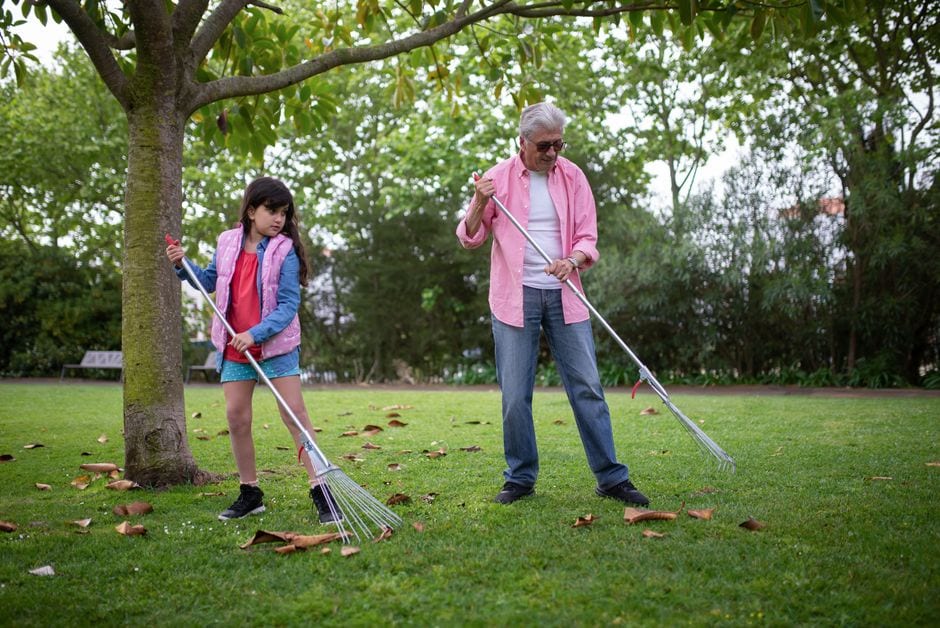
Photo by Kampus Production on Pexels. Illustrative stock photo; not an Urbana collection crew or local property.
A light layer of leaves can stay useful at home
Bagging is one option, but not every leaf needs to leave the property.
In its guide to reusing fallen leaves, Illinois Extension explains that a light covering on a lawn can be chopped with a mower.
The guidance recommends working with dry leaves and checking that grass remains visible beneath the chopped material.
A thick layer can smother grass, so mowing is not a reason to leave a dense covering untouched.
Extension also describes shredded leaves as mulch for garden beds, trees and shrubs.
Shredding helps reduce the matting that can occur with whole leaves.
Choose the approach by the amount of material and the part of the yard, rather than applying one rule to every surface.
If you are uncertain about a plant or lawn condition, seek horticultural guidance before treating it as a routine leaf-management question.
These are gardening options, separate from the city’s collection requirements.
Compost and leaf mold offer another route
Illinois Extension’s leaf recycling guidance describes fallen leaves as a source of organic matter and a useful addition to compost.
It advises keeping diseased leaves separate from material intended for reuse or composting.
Chopping leaves into smaller pieces can help them break down, while the rate also depends on the species and moisture conditions.
The same guidance describes leaf mold as partially decomposed leaves that can later be used as mulch or a carbon source for compost.
That is a longer-term option for households with a suitable place to manage the material.
Do not confuse a home decomposition setup with approved bags for city collection.
If you choose to keep part of your leaves, decide where the material will go before filling every bag.
An intentional use for one portion and collection for the remainder can be more manageable than trying to process an entire yard in one way.
Check drop-off rules before loading a vehicle
For a separate disposal route, the municipal LRC facility publishes its own disposal requirements for the site at 1210 East University Avenue in Urbana.
Its page states that bagged material must use paper bags and that customers using plastic bags are not permitted entry.
The facility accepts qualifying yard material under its rules and charges disposal fees.
Those drop-off conditions are not proof of the requirements for Urbana’s curbside leaf pickup.
Review the current fee information and confirm the hours for your intended visit before transporting a load.
The facility lists 217-344-5323 for questions, which is useful when the type or amount of material needs clarification.
Keep prohibited debris out of a yard waste load and ask about uncertain items before arrival.
Use drop-off planning as a separate decision, including transportation and cost, rather than assuming it is identical to scheduled curbside service.
A practical plan before the first collection week
Start with your address and confirmed U-Cycle day, then choose the relevant collection date.
Next, decide whether any suitable leaves will remain on the property as mulch or compost material.
Confirm bagging details with the city before preparing what will be collected, especially if your cleanup includes more than leaves.
Set a reminder for the night before and coordinate the task with anyone sharing responsibility for the property.
Keep the official collection notice handy instead of relying only on an old screenshot or a neighbor’s date.
With those decisions made, Urbana’s three announced collection weeks become a usable household schedule rather than another fall deadline to guess. |
0 Comments
Join the conversation
Be the first to comment
Share your thoughts above.