Research Your Home’s History at Urbana’s Historical Archives |
Address files, old directories and maps can help residents trace a Champaign County property and the people who lived there |
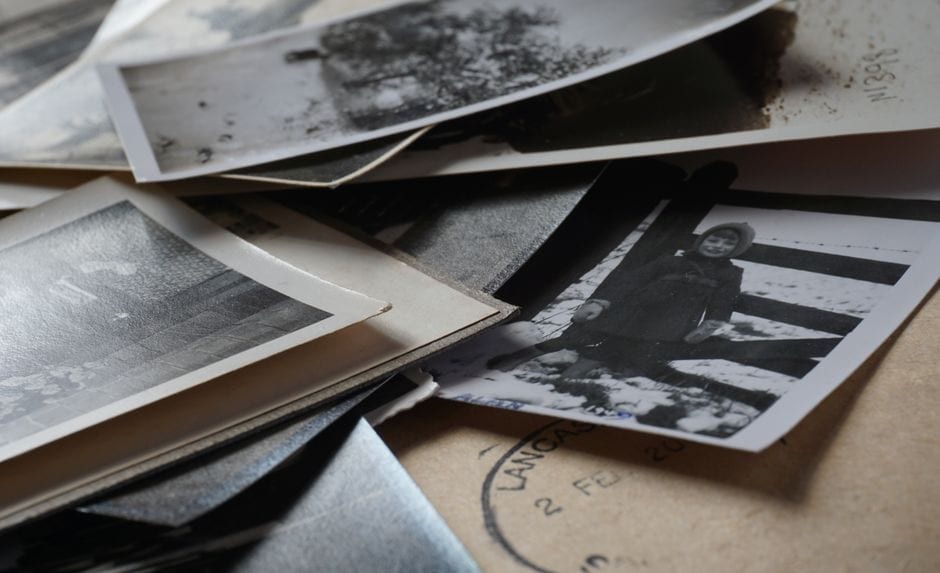
Photo by Suzy Hazelwood on Pexels (illustrative stock photo) An old photograph, a name penciled inside a cabinet or a question about a front porch can send a Champaign County resident looking for a home’s earlier story.
In downtown Urbana, the Champaign County Historical Archives at The Urbana Free Library offers records that can help turn that question into a research project.
Start with the property’s address, then compare address files, directories and maps, asking Archives staff which records are available for the building and time period.
The Archives is on the library’s second floor at 210 West Green Street, and appointments are preferred so staff can prepare materials, though they are not required.
Begin with one address and one question
The library’s property research article recommends searching the address in Local History Online, its catalog for local historical material.
The article, published in 2015, gives the example “Green St (Urbana), West, 210” and recommends the subject search, a useful pattern to try when an ordinary address search produces little.
Results can point to photographs, title abstracts, building plans, newspaper references or files about an address and its residents.
An address search may lead to a description of a physical file, so save the catalog information even if the material itself is not displayed online.
A precise question helps narrow the next step, whether you want to identify a former resident, locate a photograph or find when an addition first appears in a record.
Bring any dates, names and documents you already have, and note where that information came from so you can compare it with the archival sources.
Use directories to follow people over time
The Archives’ directory collection covers Champaign County from 1870 to the present and includes city directories, telephone books and Criss-Cross directories.
The library says these sources can help researchers locate residences, identify occupations and trace local businesses, with many editions available through the Internet Archive.
A listing that puts a person at an address in one year gives you a starting point for checking nearby years and other records.
For example, you could make a simple table with the directory year, the address as printed and the resident’s name, adding a source reference beside each entry.
That comparison can show a change between two editions while keeping the evidence visible, especially when family memories place someone there at a different date.
A person listed at an address establishes an association worth investigating, and you can ask staff which records might clarify ownership or other details.
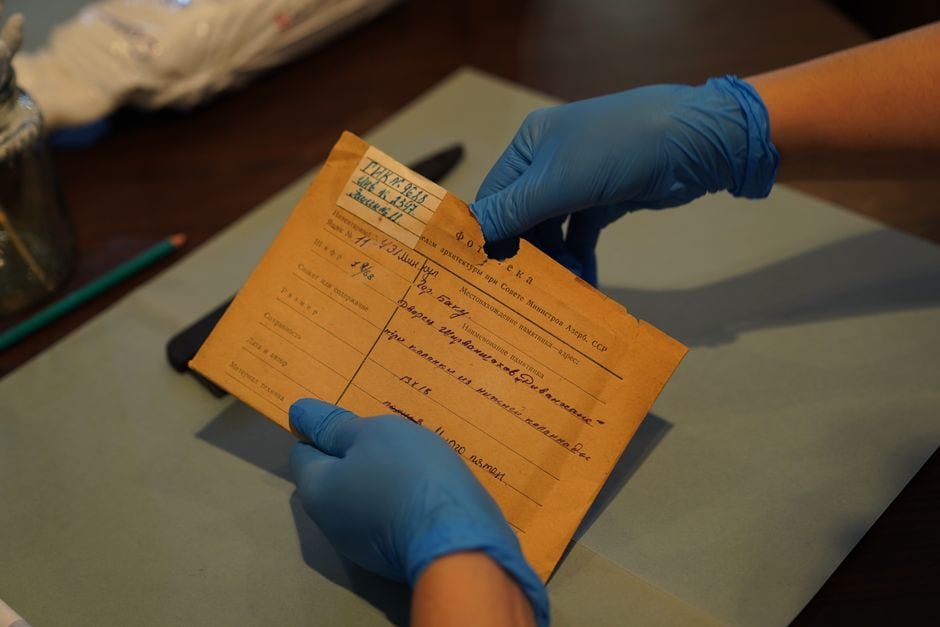 Compare maps with the building you see now
The Archives’ map resources include local maps and links to Sanborn fire insurance maps, with a University of Illinois collection covering towns in Champaign County.
The library’s property research article also points readers toward aerial photographs, plat maps and title abstracts.
When looking at successive maps, write down each map’s date and compare the building’s position, shape and nearby streets before deciding what changed.
If a porch or outbuilding appears on one sheet and is absent from an earlier sheet, that difference gives you a question to investigate in another source.
A map’s publication date and the date of an alteration may differ, so keep the observation and your proposed explanation separate in your notes.
The same habit helps when a street name, numbering pattern or lot description seems inconsistent with the current address.
Arrange a visit and allow time for retrieval
The Archives visit page asks researchers to allow 48 hours to retrieve special collection material, including Chanute and News-Gazette holdings.
Call 217-367-4025 or email archives@urbanafree.org to describe your question, share catalog references and ask what can be ready for your visit.
Groups should contact the Archives in advance, and the library welcomes K-12 students who are working with historical material.
The current Archives schedule lists 10 in the morning to 5 in the afternoon on Mondays, Tuesdays, Thursdays, Fridays and Saturdays, with Wednesday hours extending to 7 in the evening.
Sunday Archives hours are 1 to 5 in the afternoon, and the library lists a Thanksgiving closure on November 26, 2026.
For Thanksgiving Eve, the library closes at 6 in the evening on November 25, so confirm the Archives’ hours if planning to use its usual Wednesday evening time.
Request copies when you cannot visit
The Archives’ copy request instructions allow requests for indexed records, indexed print sources and material for which you can supply an exact citation.
The posted service fee is $10 per 10 items requested, plus copying or scanning charges and any postage, with copies and scans listed at 50 cents each.
Staff calculate the additional cost after receiving the request, which should include your name and the documents you want.
Before leaving a research session, take a moment to list what you found and what remains uncertain.
If two records disagree, keep both references so you can ask a more specific question on your next visit.
For a home history, a few carefully identified records can give you a documented beginning, with each date, name and image pointing toward the next question. |
0 Comments
Join the conversation
Be the first to comment
Share your thoughts above.