
Rantoul Historical Society Museum: Hours and Visit Guide |
Plan a free museum visit covering railroad history, Chanute and everyday community life |
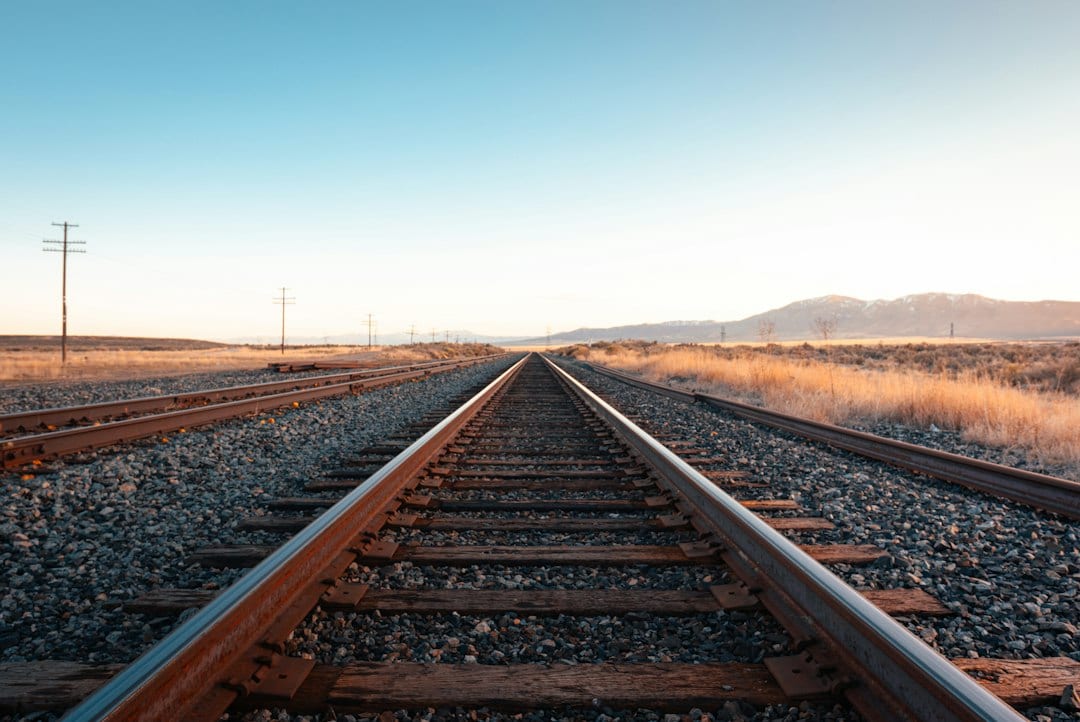
Photo by Quino Al on Unsplash. Illustrative stock photo, not the Rantoul museum or its collection.
Rantoul’s history is larger than any single building or institution, and the Rantoul Historical Society & Museum offers a local starting point for understanding it.
For readers planning a visit this fall, the essential answer is straightforward: admission is free at 1040 Klein Avenue, with regular opening hours on Tuesday, Friday, Saturday and Sunday.
The collection brings railroad history, Chanute Air Force Base and ordinary community life into the same conversation, making it a useful outing for residents as well as visitors from Champaign and Urbana.
Check the hours before leaving
The museum’s official visitor information lists Tuesday, Friday and Saturday hours of 10 a.m. to 4 p.m., and Sunday hours of noon to 4 p.m.
It is closed on Monday, Wednesday and Thursday, and free-will donations are welcomed.
The museum recommends allowing at least an hour and invites visitors to call about arranging a visit outside the posted schedule.
Jim Cheek is the listed contact at 217-714-1352; call ahead about a special visit, a group’s needs or a question that would affect your plans.
For an outing this weekend, the regular schedule includes Friday, October 23, Saturday, October 24, and Sunday, October 25, 2026, subject to any museum updates.
Ask about the entrance and access arrangements if someone in your group needs a step-free route, seating or other assistance.
Look at everyday Rantoul alongside major institutions
The museum’s exhibit overview identifies railroad history, Chanute Air Force Base, local businesses, schools, civic life and family histories as central subjects.
Its online gallery shows a rural one-room schoolhouse recreation, railroad signage and conductor artifacts, horse-drawn plows and a vintage print-shop display.
Other pictured objects include wooden wall-mounted telephones and Sandy, a mechanical horse of the kind associated with grocery-store rides.
These smaller objects offer another way to think about a community: how people learned, worked, communicated and spent their money.
Choose an object that seems unfamiliar and ask what task it served, who might have used it and what replaced it.
That approach gives younger visitors something specific to investigate without requiring them to remember a long sequence of dates.
Exhibit contents can change as materials enter the collection, so use the online gallery as a preview rather than a guarantee of every item’s location during your visit.
Photo by Jake Weirick on Unsplash. Illustrative stock photo, not the Rantoul museum or its collection.
Why railroad and Chanute stories belong together
The University of Illinois Library’s historical account of Rantoul connects the community’s early growth with the Illinois Central Railroad and the station completed in 1854.
It describes homes and businesses forming near the station, followed by the town’s charter in 1869.
The same account traces the next major change to the military installation that opened in 1917 and closed in 1993.
Chanute brought military personnel, civilian employment and community events into Rantoul’s daily life, creating relationships that extended beyond the base itself.
Those dates help explain why a local museum can connect transportation, military service, family photographs and storefronts without treating them as unrelated subjects.
As you move between displays, look for the human connections: someone’s occupation, a school attended or a business name that appears in another part of the collection.
Turn a visit into a focused research question
A museum visit can begin with a family name, an old address or a photograph whose date is uncertain.
Bring a written question and any information you already know, with names spelled out and approximate years clearly marked.
For example, asking which sources might identify a business at a particular address is more useful than asking for everything about an entire family.
This is a suggested research method, not a promise that museum staff can answer every question or provide a particular record.
The University of Illinois Illinois Newspaper Directory record for the Rantoul Press and Chanute Field News lists publication years of 1927 through 1969 and identifies library holdings.
Its access notes direct researchers to contact the holding institution, so confirm the relevant dates, format and appointment arrangements before planning a second stop.
Keep a note of where each fact came from so a later correction does not become confused with a family recollection.
Support preservation with context
The Society’s support and membership page lists annual individual membership at $10, family membership at $15 and business sponsorship at $50, plus a $150 lifetime option.
It also welcomes volunteering and historical materials, with potential roles including visitor greeting, exhibit assistance, research and event help.
If you have an object or photograph to offer, contact the Society before bringing it in and ask what information staff need to assess it.
A useful accompanying note can identify the people pictured, the place, the approximate date and how the item came into your family’s possession.
Label uncertain information as uncertain rather than presenting a guess as a confirmed identification.
The story attached to an item can be as useful as recognizing the item itself.
Make a simple plan for your first visit
The Rantoul Chamber of Commerce listing confirms the museum’s Klein Avenue address and contact number, providing another local reference when planning your trip.
Choose an open day, leave at least an hour and decide whether your main interest is railroad history, Chanute or everyday life.
Start there, allow time for another display that catches your attention and leave with one question you would like to follow up.
Before traveling, confirm current hours and any special arrangements directly with the museum. |

0 Comments
Join the conversation
Be the first to comment
Share your thoughts above.