
Pumpkin Composting in Champaign-Urbana: November Drop-Off Guide |
Prepare for Urbana’s free November 7 Pumpkin Smash and choose the right composting option |
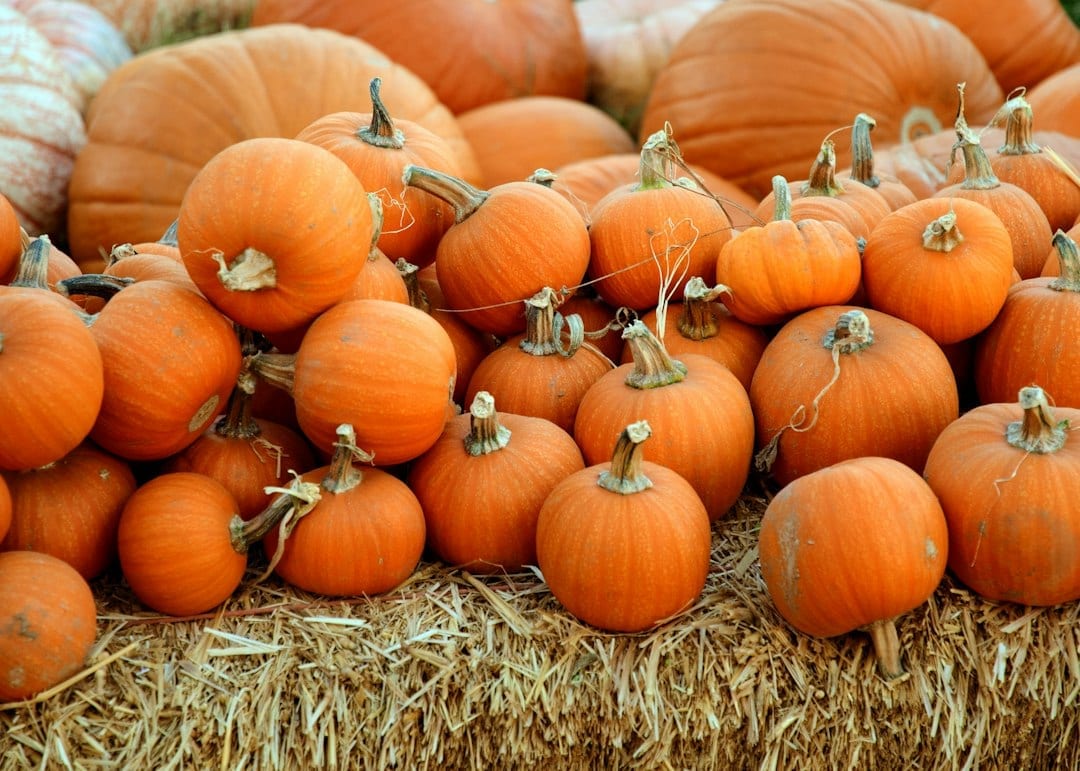
Photo by Mark Duffel on Unsplash. Illustrative stock photo, not the Urbana event or collection site.
Champaign-Urbana households can plan now for what happens to their pumpkins after Halloween, with a free composting event scheduled in Urbana on Saturday, November 7, 2026.
The short answer: bring pumpkins and decorative gourds to Urbana’s municipal LRC recycling facility from 11 a.m. to 3 p.m. for the Pumpkin Smash, after removing candles and other non-biodegradable decorations.
The facility is at 1210 E. University Avenue, and the event offers a local alternative to putting the remains of a seasonal display in the trash.
Choose the event or another November visit
Champaign County Environmental Stewards’ October 18 event announcement says drop-off is free, smashing is optional and pumpkins and gourds will also be accepted without charge throughout November.
Use the event’s hours for November 7 and confirm operating hours before choosing a different day.
The facility’s official contact and directions page identifies its entrance on the east side of AMBUCS Park and lists 217-344-5323 for questions.
Its posted regular schedule is Monday through Saturday, 8 a.m. to 3:30 p.m., with Sundays and holidays closed; confirm any seasonal change before traveling.
If you are bringing a large number of pumpkins from a school, business or shared residential building, call first about unloading and any limits that may apply.
That is a planning recommendation, not a published promise that every group-sized load will be accepted without further arrangements.
Remove decorations before loading the car
The Illinois Food Scrap and Composting Coalition’s pumpkin guidance says only the pumpkins themselves belong in compost and calls for removing materials such as plastic, metal, stickers and candles.
Set aside a few minutes to inspect each pumpkin rather than discovering an attached decoration when you reach the unloading area.
Look inside a carved pumpkin as well as around its surface, and separate reusable decorations from whatever needs disposal.
If a pumpkin has paint, glue or another treatment you cannot remove, describe it to the facility and ask whether it is acceptable before taking it along.
For transport, choose a sturdy reusable container that can contain loose pieces and can be emptied without leaving packaging in the collection.
The facility’s disposal rules prohibit plastic bags, even when customers intend to take the bags home afterward.
Keep the load simple and follow the attendant’s directions rather than mixing pumpkins with unrelated cleanup materials.
A pumpkin collection is a specific service
The LRC’s ordinary disposal guidance lists food waste among unacceptable materials, while the seasonal announcement specifically invites pumpkins and gourds.
Do not interpret that seasonal invitation as permission to unload general kitchen scraps.
The regular disposal page also explains that material types, separation and fees matter for other loads.
If you want to bring leaves, branches or another material on the same trip, ask how it should be separated and what charges apply.
Checking first is especially useful when a household cleanup combines several kinds of waste that happen to fit in one vehicle.
Keep batteries, electronics and household chemicals out of the pumpkin load and use the relevant official disposal guidance for those items.
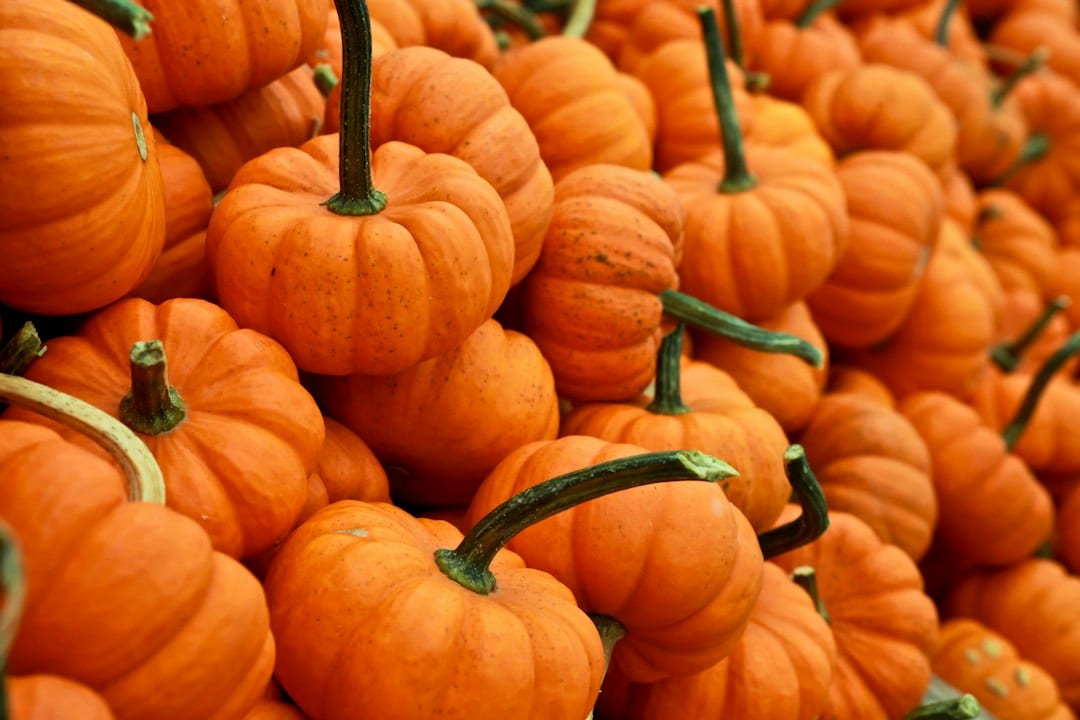
Photo by Gabby Orcutt on Unsplash. Illustrative stock photo, not the Urbana event or collection site.
What composting does with organic material
The U.S. Environmental Protection Agency’s home-composting guide describes composting as managed decomposition that requires oxygen and produces a soil amendment.
A working system needs carbon-rich materials, nitrogen-rich materials, moisture and air; simply leaving food scraps in a sealed container does not provide that whole process.
For a backyard pile, EPA recommends at least two to three times as much brown material, such as dry leaves, as green material, such as food scraps.
It also advises breaking up tougher scraps, covering food scraps with browns and turning the pile to help air circulate.
A pumpkin can therefore become a useful reason to review an existing compost setup, rather than adding a large object and expecting immediate results.
If you are new to composting, read the full instructions before starting and choose a method that fits your available space and ability to maintain it.
Separate a one-time drop-off from an ongoing service
Residents who want a year-round option can review the Environmental Stewards’ community food-scrap composting information, which describes a WasteNot subscription and a drop-off location at Lincoln Square Mall, 300 S. Broadway Avenue in Urbana.
That page lists $15 per month for up to five gallons per week and says subscribers receive specific location details and an enclosure code after signing up.
Confirm current pricing, capacity, accepted materials and service coverage with the provider before subscribing.
The subscription is a separate arrangement from the free November pumpkin collection, with its own instructions and access requirements.
Do not assume that a material accepted by a commercial service is suitable for a backyard pile, or that a subscription drop-off is open to people who have not enrolled.
Make the next step easy to remember
Before Halloween decorations come down, choose a collection date and place a reminder where the household plans weekend errands.
Ask everyone helping with cleanup to keep pumpkins separate from candles, packaging and other decorations, so the preparation does not have to be repeated.
For a shared display, name one person to confirm the destination and another to check that decorations have been removed.
On the day of the trip, check the current announcement and facility hours, secure the load and follow on-site instructions.
The useful outcome is a clean, accepted load and a disposal plan your household can repeat when the next seasonal display comes down. |
0 Comments
Join the conversation
Be the first to comment
Share your thoughts above.