
Champaign County History Museum: Hours and Visitor Guide |
Plan a downtown visit with current hours, suggested donation, exhibit information and access details |
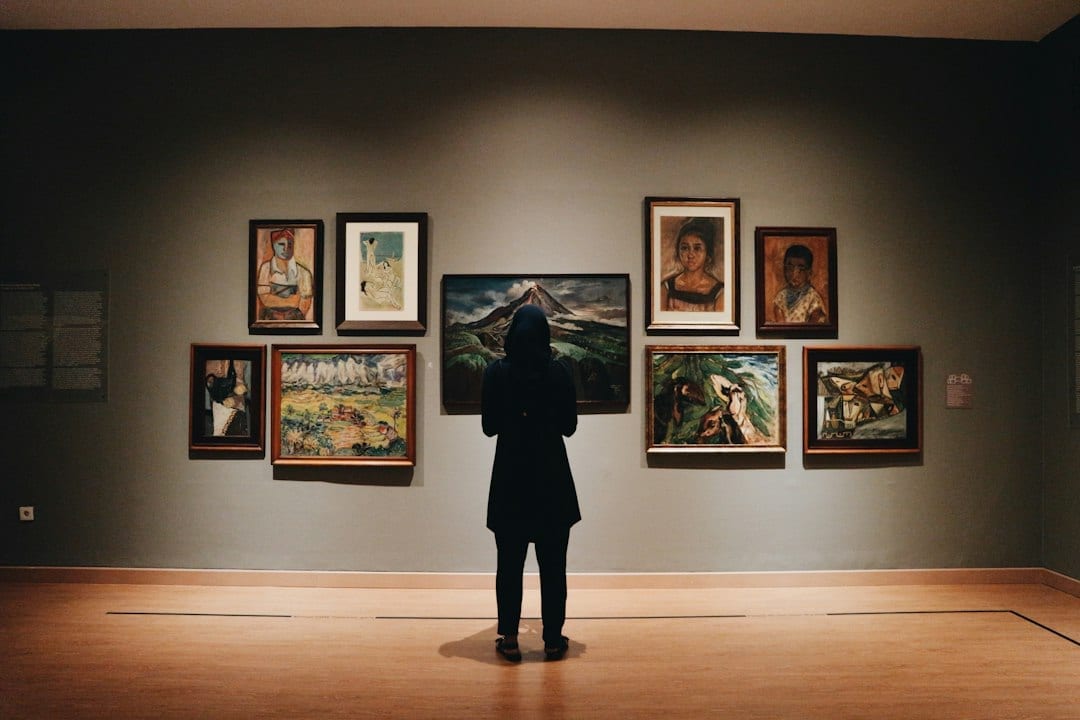
At 102 East University Avenue in Champaign, the Champaign County History Museum offers a local history stop you can plan around an afternoon downtown. For an October visit, start with the operating schedule and the subjects on display, then leave room for a question about your own neighborhood.
This visitor guide checks the museum's own information as of October 7, 2026. It separates the galleries you can visit from the larger collection behind them, an important distinction if you are hoping to see one particular object.
Hours, donation and getting there
The official visitor page lists Wednesday and Friday hours of 1–5 p.m., Thursday hours of 1–7 p.m., and Saturday hours of 10 a.m.–5 p.m. The suggested donation is $3 per person. It is presented as a donation rather than a required admission price.
Use the museum address on a map before setting out. Four parking spaces are listed on site. Check posted rules and rates wherever you park nearby.
Holiday closures can affect a planned visit. If timing or access is critical, call 217-356-1010 before leaving home rather than relying on an old search result.
What the exhibit page lists
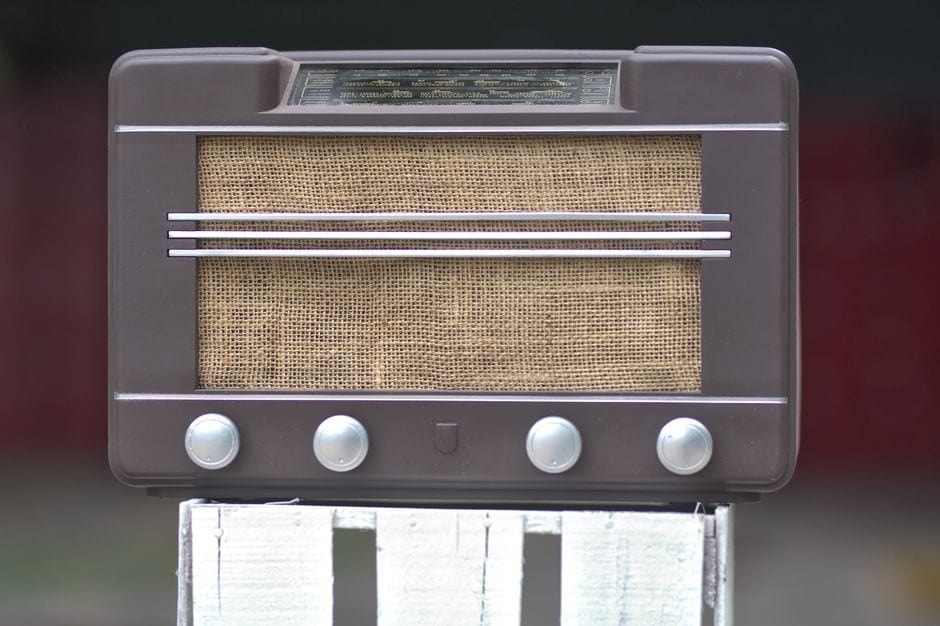
The museum describes three rotating exhibit rooms and several smaller display areas. Its exhibit listings currently include Pioneers in Radio, Dorothy Schroeder and the All-American Girls' Professional Baseball League, Champaign County photography, collection vignettes and the history of the Cattle Bank.
Those subjects offer several ways into local history: communication, sport, photographs, everyday objects and the building itself. Pick the topic that interests you most and begin there, especially if your group has limited time.
The same page has a clearly separate past-exhibits section. A title appearing there does not mean that display is still in the galleries. If one exhibition is the reason for your trip, confirm its current status directly with the museum.
The collection is larger than the displays
Photo by Rulo Davila on Pexels. Illustrative stock photo; not a photograph of the museum's collection.
The artifact collection page describes more than 20,000 objects, ranging from thimbles to the county's first iron lung. It also links to searchable object records and a photograph collection, useful starting points when you have a specific name, place or subject in mind.
Many objects are stored for future exhibitions or research. Do not assume that an item found in a collection record will be on view. Note its identifying information and ask staff how to learn more about it.
For a family visit, try choosing one object and asking three questions: Who used it? What work did it do? What has changed since then? A focused conversation can make a small display easier to remember than trying to read every label.
For local research, write down names, spelling variations and approximate dates before contacting staff. Distinguish what you know from what you hope to find. That gives the museum a clearer starting point than a broad request for everything about a family.
Access and a realistic visit plan
Exhibit galleries are on the first floor; the research room, art installations and community room are upstairs. The visitor page lists a chair lift and no elevator. Ask ahead about the arrangements you need rather than assuming every part of the building has identical access.
Consider leaving your schedule flexible enough to revisit a label or ask a question. With children, agree on a meeting point and a few things to look for. With visiting relatives, bring a neighborhood name or family story as a conversation starter, without treating memory as established fact.
Keep useful records after the visit
If you may have an object to donate, read the museum's collection guidance first. Its process begins with a photograph and preliminary review; acceptance is not automatic. Avoid arriving with an unannounced donation and expecting it to enter the collection immediately.
Before heading out, recheck the hours, confirm any specific display or access need, and save the address. Afterward, keep the names and questions that caught your attention. A manageable first visit can give you a concrete reason to return. |
0 Comments
Join the conversation
Be the first to comment
Share your thoughts above.