Bristol Place in Champaign: A Neighborhood and Housing History |
What official records show about its location, redevelopment and 90-home community |
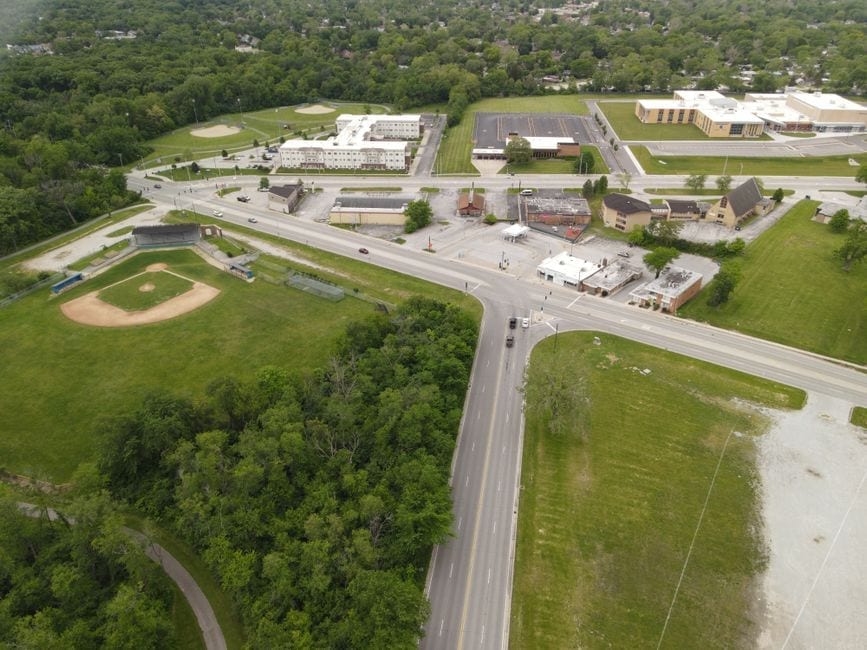
Bristol Place is a named residential area near Bradley Avenue and Market Street in Champaign, developed through a public and private partnership that replaced older housing with a new 90-unit community. The City of Champaign and the Housing Authority of Champaign County describe the project as 64 single-family homes, 26 townhomes and a community building. Those records offer a grounded starting point for understanding what Bristol Place is and where it sits.
For readers asking where Bristol Place is, official project notices place Bristol Place Residences at the corner of Bradley Avenue and Market Street in northeast Champaign. A City planning document describes the broader Bristol Park study area as including Bristol Place, Garwood Addition and Shadow Wood Mobile Home Park. It is useful to distinguish the named study area from Bristol Place itself instead of treating the labels as interchangeable.
How the area is identified
The City’s Bristol Place construction update identifies the development’s Bradley Avenue and Market Street location. For a wider planning context, the City’s neighborhood planning map and information and interactive map portal can help residents check official planning layers and city boundaries.
The City’s 2011 Bristol Park Neighborhood Plan describes a larger study area northeast of Bradley Avenue and Neil Street. It identifies three separate places within that area: Bristol Place, Garwood Addition and Shadow Wood Mobile Home Park. The plan describes Bristol Place as about 12 acres, bounded by Market Street, Roper Street, Chestnut Street and Bradley Avenue. Because planning maps and records can use different names and study-area scales, check the relevant map before applying a neighborhood label to a particular property.
The boundary description is useful when looking at records or trying to understand the redevelopment site. It does not establish that every nearby address belongs to Bristol Place, and it does not establish access rights to private property. Visitors should rely on public sidewalks and posted signs.
A redevelopment partnership
The Housing Authority of Champaign County’s project notice says the homes were developed through a public and private partnership involving the City of Champaign, HACC and AHDVS, LLC. The same notice describes 64 single-family homes, 26 townhome units and a community building. The City’s 2019 update reported construction work underway on streets, alleys and residences.
These details tell part of the story of how the residential community was built. They do not capture residents’ day-to-day experiences, and the public records reviewed here do not supply a current resident directory or a schedule of public activities at the community building. It would be inaccurate to assume that the building is open to visitors or that an event is scheduled there.
The Housing Authority’s 2026 Moving to Work annual plan lists Bristol Place Residences as a 90-unit project and marks it as leased. That is a current program record, not a live vacancy notice. Anyone seeking housing should use the Housing Authority’s current application information and confirm the status directly with the property manager.
A community with a documented history
City and Housing Authority notices provide a timeline: the Housing Authority reported a groundbreaking period in 2018, leasing began in 2019, and its current planning record describes the property as leased. The record also notes that former Bristol residents who met tenant selection criteria were offered an initial opportunity to return during the leasing process. That historical detail should not be mistaken for a current eligibility rule or a promise about present availability.
Bristol Place’s documented development is part of Champaign’s broader housing history. To understand how decisions connect to city planning, residents can consult the City’s planning resources and Neighborhood Services Department. The City’s registered neighborhood organization information can help readers identify community groups, though a planning area, a development name and a registered neighborhood organization are not necessarily the same thing.
Practical ways to learn more
If you are researching Bristol Place for a school project, local history, a housing question or nearby property records, start with the source that fits your question. The City construction notice is useful for the development’s location and construction-era details. HACC materials explain the partnership, unit mix and housing program status. City planning maps help clarify the names and boundaries used for broader areas.
Do not rely on a map screenshot without checking its date, scale and legend. If a property lies near a boundary, search its exact address in the City’s mapping tools or contact the relevant department. For application eligibility, waitlist status or leasing questions, consult HACC or the property manager because old notices can remain online after their instructions expire.
A respectful visit should stay on public streets and sidewalks. The homes and community building are residential property, so do not enter, photograph residents or treat the area as a public attraction. If you live nearby and want to learn about local planning or neighborhood participation, the City’s public resources are the right starting point.
Bristol Place is more than a point on a map. It is a named Champaign residential development with a documented location, a 90-unit layout and a public-private redevelopment history. Use official records to separate the project’s facts from assumptions, then confirm current housing or participation details with the agencies responsible. |
 Illustrative winter street stock photo from Dixon, Illinois, not Bristol Place. Photo by Quang Vuong on Pexels. |
0 Comments
Join the conversation
Be the first to comment
Share your thoughts above.